Home » COMPUTER SCIENCE AND ENGINEERING (DATA SCIENCE)
COMPUTER SCIENCE AND ENGINEERING (DATA SCIENCE)
B. Tech Computer Science and Engineering (Data Science) or Bachelor of Technology in Computer Science and Engineering with a specialization in Data Science is a four-year undergraduate degree programme with 8 semesters. B. Tec CSE-(Data Science) Department has been started in the year 2021 with an intake of 60 students. It is an emerging Department in the field of Computer Science and Engineering. The Department within an organization is typically responsible for harnessing the power of data to drive informed Decision-Making, Solve Complex Problems, and Create Value. This programme provides the students to understand the fundamental concepts of Computer Science & Engineering with specialized engineering knowledge in the areas of Data Science. Data Science Department plays a crucial role in leveraging data assets to drive business growth, innovation, and competitive advantage. By combining expertise in Data Analysis, Machine Learning, Data Engineering, and Business Acumen, the Department helps Organizations unlock the full potential of their Data Resources. The skillset required for every graduate is in Statistics, Data Analysis, Programming Knowledge, Machine Learning and Business Vision.
Our Vision & Mission
At Vignan University, our vision is to be a global leader in education and research, nurturing future-ready professionals.
The Department of CSE (Data Science) envisions becoming a center of excellence in data-driven technologies, artificial intelligence, and advanced computing by fostering innovation, research, and entrepreneurship. Our goal is to produce globally competent professionals equipped with strong analytical, technical, and problem-solving skills to address real-world challenges and contribute to societal growth.
The mission of the Department of CSE (Data Science) is to provide a transformative education in computer science with a strong focus on data science, machine learning, and emerging technologies. We strive to create a dynamic learning environment that encourages innovation, interdisciplinary research, and collaboration with industry. By integrating theory with practical experience, we aim to nurture ethical leaders, critical thinkers, and innovators capable of leveraging data-driven solutions to improve lives and shape the future of technology.
Our Journey of Excellence
The Department of Computer Science and Engineering (Data Science) at VMTW was established with a vision to create data-driven innovators and researchers who can leverage emerging technologies to solve complex problems and drive societal progress.
2021
Department of CSE (Data Science) established with an initial intake of 60 students.
Facilities
State-of-the-art laboratories, 100+ high-performance systems, modern classrooms, licensed software, and advanced computing resources.
Curriculum
Data Science, Big Data Analytics, Artificial Intelligence, Machine Learning, Deep Learning, Cloud Computing, Cybersecurity, Blockchain, and more.
Leadership
Led by Dr. M. Vishnu Vardhana Rao, the department excels in research, patents, publications, and academic innovation, shaping future-ready professionals.
Department Leadership
Meet our Head of Department
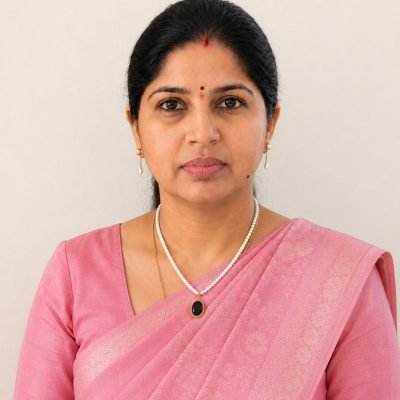
Dr. Parimala
Professor & Head, Department of CSE (Data Science)
Dr. Parimala is an accomplished academician with over 20 years of experience in teaching, research, and academic administration. She holds a Ph.D. from CCSU University and an M.Tech. from Osmania University. She has held several academic leadership roles and is dedicated to mentoring students, having successfully guided over 100 UG and PG projects. Her research contributions include numerous publications in reputed national and international journals and conferences, and she is the author of two books. She has also served as a Session Chair at several national and international conferences, reflecting her active engagement in the academic and research community.
Message from HOD
Welcome to the Department of CSE (Data Science). Our mission is to advance innovation and research in emerging fields such as AI, Machine Learning, and Data Science, while equipping students with the knowledge and practical expertise to thrive in the ever-evolving tech industry. We are dedicated to fostering a research-oriented culture and producing skilled professionals capable of making meaningful contributions to society.
Our Experienced Instructors
Our team of seasoned instructors brings years of expertise, passion for teaching, and real-world experience.
Educational Framework
Our comprehensive educational approach designed to create industry-ready professionals
PEO1
Students will establish a strong foundation in computer science by applying mathematical principles and core engineering fundamentals to analyze, design, and develop effective computing solutions.
PEO2
Students will use modern tools, platforms, and technologies supported by a strong learning infrastructure to solve computing problems and adapt to technological changes.
PEO3
Students will prepare for careers and entrepreneurship by developing employability skills, professional competence, ethical values, and social responsibility to meet industry and societal needs.
Program Outcomes (PO)
Comprehensive learning outcomes that our graduates will demonstrate
PO1
Engineering Knowledge: Apply the knowledge of mathematics, science, engineering fundamentals and an engineering specialization to the solution of complex engineering problems
PO2
Problem Analysis: Identify, formulate, review research literature, and analyze complex engineering problems reaching substantiated conclusions using first principles of mathematics, natural sciences and Engineering sciences.
PO3
Design/Development of Solutions: Design solutions for complex engineering problems and design system components or processes that meet the specified needs with appropriate consideration for the public health safety, and the cultural, societal, and environmental considerations.
PO4
Conduct Investigations of Complex Problems: Use research-based knowledge and research methods including design of experiments, analysis and interpretation of data, and synthesis of the information to provide valid conclusions
PO5
Modern Tool Usage: Create, select and apply appropriate techniques, resources and modern engineering and IT tools including prediction and modeling to complex engineering activities with an understanding of the limitations.
PO6
The Engineer and Society: Apply reasoning informed by the contextual knowledge to assess societal, health, safety, legal and cultural issues and the consequent responsibilities relevant to the professional engineering practice.
PO7
Environment and Sustainability: Understand the impact of the professional engineering solutions in societal and environmental contexts and demonstrate the knowledge of,and need for sustainable development.
PO8
Ethics: : Apply ethical principles and commit to professional ethics and responsibilities and norms of the engineering practice.
PO9
Communication: Communicate effectively on complex engineering activities with the engineering community and with society at large, such as being able to comprehend and write effective reports and design documentation, make effective presentations and give and receive clear instructions.
PO10
Project Management and Finance: Demonstrate knowledge and understanding of the engineering management principles and apply these to one's own work, as a member and leader in a team to manage projects and in multidisciplinary environments.
PO11
Life-Long Learning: Recognize the need for and have the preparation and ability to engage in independent and lifelong learning in the broadest context of technological change.
Engineering Knowledge
Apply the knowledge of mathematics, science, engineering fundamentals and an engineering specialization to the solution of complex engineering problems.
Additional Outcomes
Our program encompasses all 12 standard ABET program outcomes including problem analysis, design/development of solutions, modern tool usage, individual and team work, communication, project management, lifelong learning, and more.
PSO1
Apply mathematical foundations, basic sciences, and core engineering principles in a multidisciplinary manner to analyse and solve complex computer science and engineering problems.
PSO2
Develop solutions to real-world computing problems using modern tools, diverse programming languages, and open-source platforms.
PSO3
Apply ethical principles and consider societal impact and Sustainable Development Goals while developing and using computing solutions.
R18 Regulation
CSE (Data Science) Department — VMTW
Academic Calendar
Syllabus
| Regulation | I-I | I-II | II-I | II-II | III-I | III-II | IV-I | IV-II |
|---|
Supporting Staff
| S.No | Name | Designation | Qualification |
|---|---|---|---|
| 01 | Gaddam. Nikitha | Programmer | B.Tech |
Faculty Participation
CSE (Data Science) News Letters
⚠️ PDF links below are placeholders — edit the NL_PDFS array in the script with your real News Letter PDF URLs (same pattern as the other tabs, e.g. https://www.vmtw.in/pdf/News%20Letters/DS/...).
| S.No | News Letter Volume | Action |
|---|
Professional Body Membership
| Sl.No | Name | Designation | Professional Bodies | Validity |
|---|
Department Achievements
6+
National & International Awards Won by Faculty
3
Award-Winning Professors
2021–2024
Recognitions in Research, Innovation, and Academic Excellence
Department Sections
Our department offers a wide range of specialized sections, each designed to provide in-depth knowledge and practical skills in key areas of study.
Research
Driving innovation through research in Data Science, Machine Learning, Big Data Analytics, Cloud Computing, and Cybersecurity.
Faculty Participation
Innovations in Teaching
Professional Societies
Student Participations
Student Counsellors
About Department
Gain Valuable Knowledge & Experience
Academic Excellence
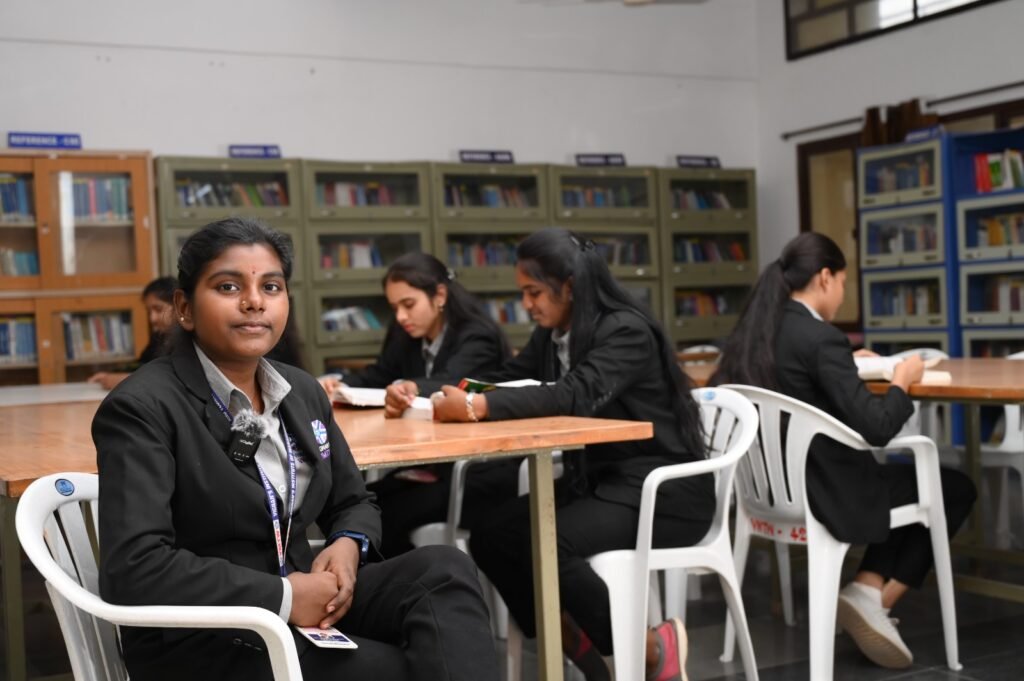
The curriculum builds a strong foundation in Computer Science while focusing on specialized areas Data Analysis, Machine Learning, Data Engineering,Business Analytics
State-of-the-Art Facilities
The department is equipped with: Modern laboratories featuring advanced hardware and software A dedicated computer center with 100+ licensed systems Tools and platforms for data analytics, AI, and big data technologies
Expert Faculty
A team of experienced professors, researchers, and industry practitioners provide innovative teaching and personalized guidance in Data Science, fostering both technical expertise and business acumen.
Practical Learning
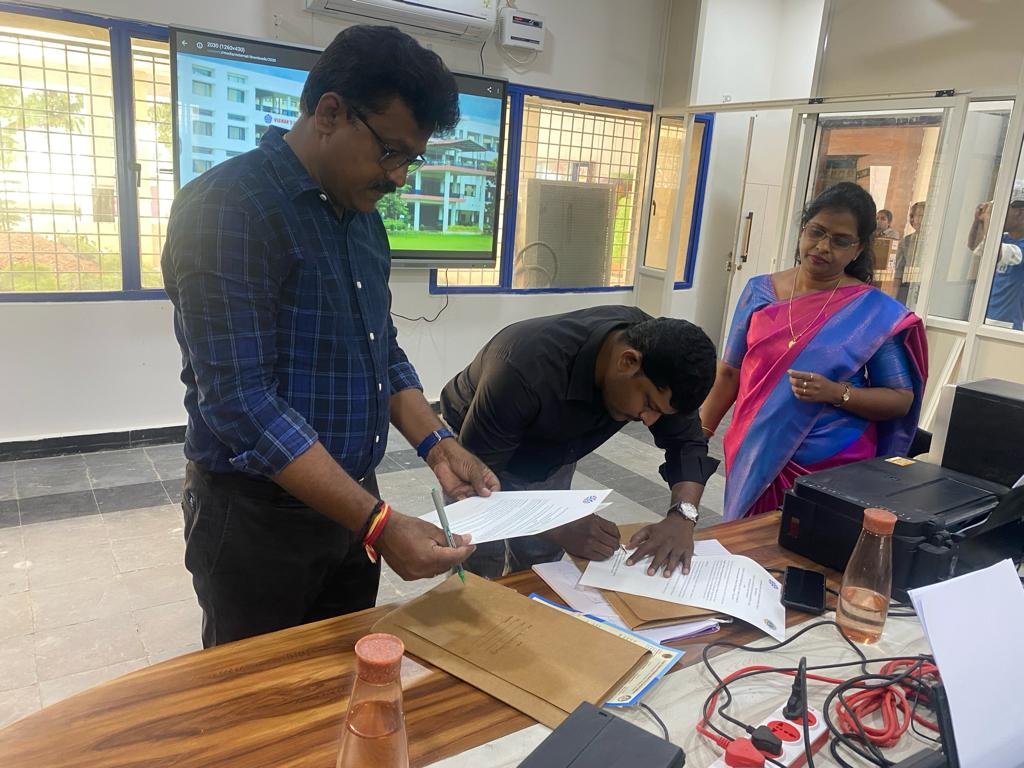
Students gain real-world experience through hands-on projects, workshops in data visualization, analytics and AI, and industry collaborations.
Career Outcomes
Graduates are prepared for careers in data science, AI & machine learning, software and data engineering, business intelligence, research, and tech-driven organizations.
We Are Open For Opportunities!
At Vignan’s Institute of Management & Technology for Women (VMTW), we believe in creating pathways for growth, innovation, and success. We welcome collaborations with industries, research organizations, academic institutions, and aspiring innovators to build a strong ecosystem of learning and development.
Whether you are a student aiming for excellence, a recruiter seeking talented professionals, or an industry expert looking to collaborate, VMTW offers the right platform to connect, contribute, and create impact. Together, we strive to empower women through education, skill development, and real-world exposure.
Vignan's Institute of Management & Technology for Women
We Are One of the Leading Women’s Engineering Colleges
Vignan’s Institute of Management & Technology for Women (VMTW) is a premier institution dedicated to empowering women through quality technical education, innovation, and skill-based learning. With a strong academic framework, experienced faculty, and modern infrastructure, VMTW focuses on shaping students into confident professionals ready to meet industry challenges and societal needs.
Department Labs
Data Processing Lab
Data Analytics Lab
Data Science Lab
Classroom
Seminar Hall
Recent &
Upcoming
Events
Stay updated on the latest events and activities happening in our department. From workshops and seminars to guest lectures and industry visits, there’s always something exciting on the horizon.
Creative Carnival 2026
24
July, 2025
9:00 am
-
7:00 pm
Hyderabad
Vigyan Vaibhav 2026
26
July, 2025
9:00 am
-
2:00 pm
Hyderabad
Sports Day 2026
8
August, 2025
9:00 am
-
4:00 pm
Hyderabad